The historical journey of gambling From ancient rituals to modern casinos
Origins of Gambling in Ancient Civilizations
The history of gambling can be traced back thousands of years to ancient civilizations. Archaeological evidence suggests that as early as 3000 BC, the Chinese were using rudimentary forms of dice for betting. Similarly, the Romans integrated games of chance into their culture, often linking them to religious rituals. These early forms of gambling were often seen as a way to communicate with the divine or predict the future, reflecting the psychological aspects of luck and fate in human belief systems. Additionally, with the rise of technology, platforms like wisconsin online gambling are making this age-old pastime more accessible and thrilling for everyone.

In ancient Egypt, artifacts discovered at tombs reveal that board games and dice were popular among the elites, often associated with ceremonies and entertainment. Gambling served not only as a source of amusement but also as a social activity that strengthened community bonds. This blend of spirituality and social interaction demonstrates how gambling has always been intertwined with human psychology, encapsulating our innate desire for risk and reward.
Gambling in the Middle Ages
The Middle Ages brought a shift in the perception of gambling, with increased regulation and moral scrutiny from religious authorities. Despite this, various forms of gambling flourished, particularly in the form of card games and gambling houses. These establishments became social hubs where people gathered, often reflecting the changing dynamics of society. The psychological thrill of the game was heightened by the secrecy and exclusivity of these venues.
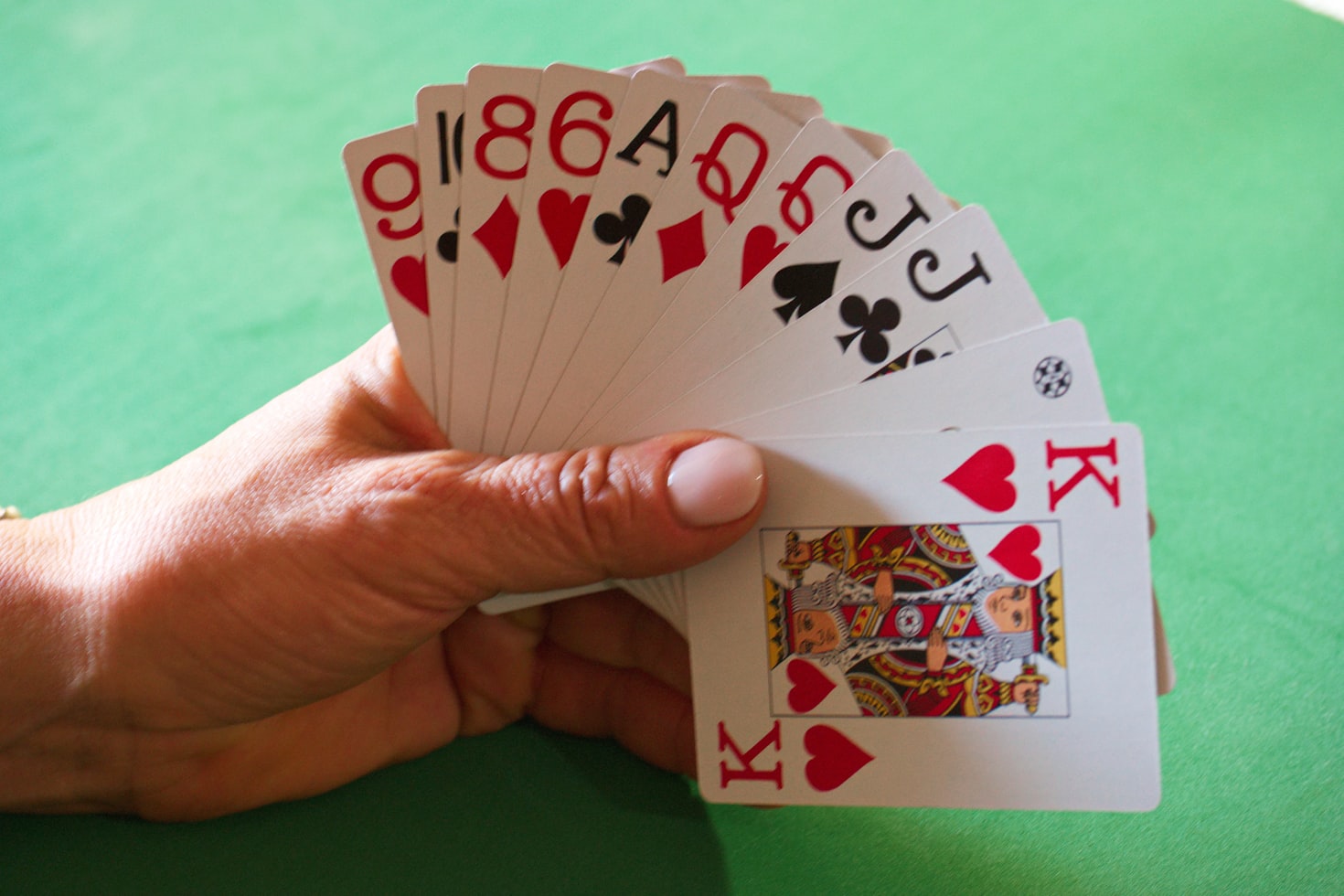
Moreover, the advent of playing cards in Europe added a new dimension to gambling. Cards became symbols of fortune, fortune-telling, and sometimes even magic. This evolution highlighted the duality of gambling as both a game of skill and chance, appealing to the human psyche’s fascination with unpredictability and strategy. The era laid the groundwork for the sophisticated gambling practices that would emerge in the centuries to follow.
The Rise of Modern Casinos
The 18th and 19th centuries marked the birth of the modern casino. With the establishment of venues like the Casino di Venezia in Italy and the Monte Carlo Casino in Monaco, gambling became more formalized and accessible. These casinos offered a range of games, attracting not only local patrons but also tourists and the elite. The ambiance of luxury and excitement created a psychological allure that turned these venues into cultural landmarks.
The introduction of slot machines in the late 19th century revolutionized gambling, making it more approachable for the average person. The simplicity and instant gratification of these machines tapped into the psychology of immediate reward, contributing to their rapid popularity. This period illustrated how gambling evolved from a pastime of the wealthy to a widespread cultural phenomenon, reflecting changes in societal attitudes toward risk and reward.
The Impact of Technology on Gambling
The late 20th and early 21st centuries witnessed a technological transformation that reshaped the gambling landscape. The rise of the internet introduced online casinos, allowing players to engage in their favorite games from the comfort of their homes. This shift not only broadened the audience for gambling but also altered the psychology behind it. Online gaming emphasized convenience and anonymity, drawing in players who might have been deterred by traditional casinos.
Moreover, innovations like live dealer games and mobile gaming apps have further blurred the lines between physical and virtual gambling experiences. The psychological thrill of engaging in live games with real dealers via streaming technology has captivated players worldwide. This evolution demonstrates that while the formats may change, the foundational psychological aspects of excitement, risk, and social interaction remain at the core of the gambling experience.

Wisconsin Online Casinos and the Future of Gambling
As we move further into the digital age, platforms like Wisconsin Online Casinos are at the forefront of this gambling revolution. These sites not only offer a wide array of games but also prioritize player safety and enjoyment. With sophisticated algorithms and engaging interfaces, online casinos are designed to enhance the gambling experience while catering to diverse psychological needs, from thrill-seekers to casual players.
The future of gambling looks promising as technology continues to evolve. Online casinos will likely integrate even more immersive experiences, potentially incorporating virtual reality and personalized gaming options. As gambling continues to adapt, understanding its historical context and psychological implications can help players navigate this exciting landscape with awareness and responsibility.