Introduction: The Strategic Importance of Understanding House Edge
For experienced gamblers, the nuances within casino games go far beyond mere luck. One of the most critical concepts to understand for making informed decisions and optimizing gameplay is the house edge. This statistical advantage embedded in every game ultimately dictates long-term profitability or loss. As Denmark’s gambling landscape evolves—featuring a variety of platforms, including highly reputable nye casino sider—the need to grasp house edge intricacies becomes even more paramount for discerning players who seek both entertainment and strategic advantage.
Whether you frequent traditional brick-and-mortar casinos or partake in the increasingly popular online offerings, awareness of the house edge allows you to approach each wager with a realistic expectation and calculated risk. In this article, we will thoroughly analyze the concept of house edge, how it varies across games, and how you can use this knowledge to sharpen your angle in the betting arena.
The Fundamentals of House Edge
Definition and Mathematical Basis
The house edge represents the percentage of each bet that the casino expects to retain over the long run. It is a built-in margin that ensures profitability for the casino while players experience fluctuations in the short term. Mathematically, the house edge is calculated by subtracting the player’s expected return from 100%. For example, if a game has a return to player (RTP) rate of 97%, the house edge is 3%.
Why House Edge Matters in Gameplay
Understanding the house edge is essential for managing bankroll and developing betting strategies. Even a small difference in house edge can lead to significant financial impact over numerous bets. For instance, a blackjack table offering a house edge of 0.5% is far more favorable than a slot machine with a 7% edge. Experienced gamblers recognize that informed game and bet selection—based on house edge—can enhance their session longevity and potential returns.
House Edge Across Popular Casino Games
Slot Machines
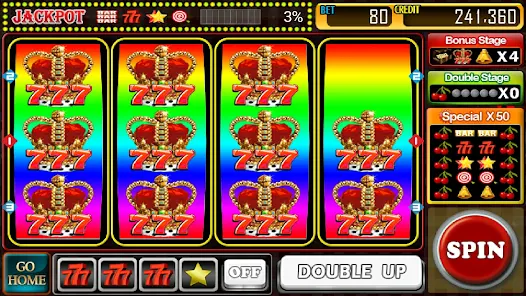
Slots typically exhibit some of the highest house edges, ranging from roughly 2% up to 15% or more depending on the game, paylines, and volatility. The element of chance is dominant here, with minimal influence from player decision-making. Observing pay tables and RTP percentages before committing is crucial in identifying slots with comparatively low house edges.
Table Games
In contrast to slots, many table games offer a substantially lower house edge when played with optimal strategy. For example:
- Blackjack: Depending on the rules and player decisions, the house edge can be as low as 0.3%.
- European Roulette: Features a house edge of approximately 2.7%, considerably lower than American Roulette’s 5.26% due to the single zero wheel.
- Baccarat: Betting on the banker hand yields a house edge around 1.06%, making it one of the more favorable bets.
Video Poker
Video poker stands out as a game combining skill and chance, where the house edge fluctuates widely depending on pay tables and player proficiency. Variants such as Jacks or Better can have a house edge under 1% with optimal play.
Factors Affecting the House Edge
Rule Variations and Game Conditions
Subtle differences in game rules can notably impact the house edge. For instance, blackjack tables that pay 3:2 on a natural blackjack are more advantageous than ones paying 6:5. Understanding the specific conditions at any given table—especially in online settings—is crucial for experienced players.
Player Skill and Strategy
Unlike games purely dependent on chance, many casino games allow for strategic decisions that can reduce the house edge. Proper use of basic strategy charts in blackjack, optimal bet sizing, or perfect draw choices in video poker can shift the odds closer to the player.
Volatility and Variance
While not directly altering the house edge, volatility and variance affect the experience of winnings and losses. Higher variance games may have the same house edge but deliver a more volatile payout pattern, influencing bankroll management tactics.
Practical Applications for Experienced Gamblers
Choosing the Right Games and Bets
Successful gamblers assess house edge alongside personal skill when selecting games. Prioritizing games with a low house edge and favorable rules enhances expected returns. Equally important is avoiding side bets or casino promotions with inflated house edges that can erode profits over time.
Bankroll Management and Session Planning
Knowledge of house edge supports better bankroll allocation, as it informs expected loss rates per bet size. Experienced players can model session duration and bet frequency to minimize risk of ruin and maximize playtime enjoyment.
Leveraging Online Platforms
As the Danish market expands, players gain access to an increasing number of licensed online casinos—including trusted nye casino sider—that provide transparency around RTP and house edge statistics. Utilizing such platforms with clear disclosures empowers savvy gamblers to make data-driven choices.
Conclusion: Integrating House Edge into Strategic Gambling
In the realm of experienced gambling, understanding the house edge is a cornerstone of strategic gameplay. This quantitative insight transcends mere luck and elevates decision-making, allowing players to optimize game selection, bet sizing, and bankroll management. Recognizing how house edge varies among different casino games and adjusting your strategy accordingly can significantly influence long-term profitability.
Whether engaging in physical Danish casinos or exploring reputable online venues, integrating house edge knowledge into your approach is indispensable. We recommend continuous research into the specific house edges applicable to your preferred games and choosing platforms that promote transparency and favorable odds.
Ultimately, mastery of the house edge concept equips the experienced gambler with a competitive edge—transforming casino gaming from mere chance toward disciplined skill and calculated risk management.