The Allure of Gambling: Why People Play
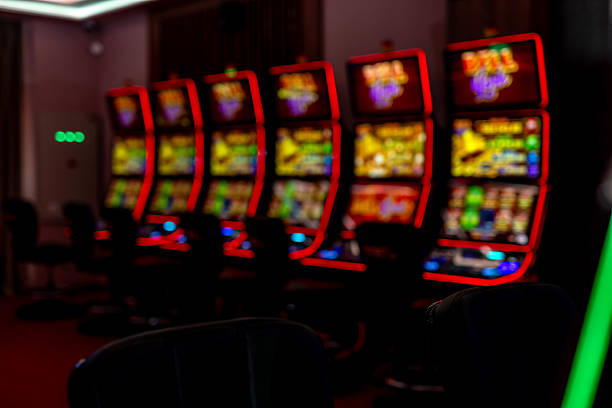
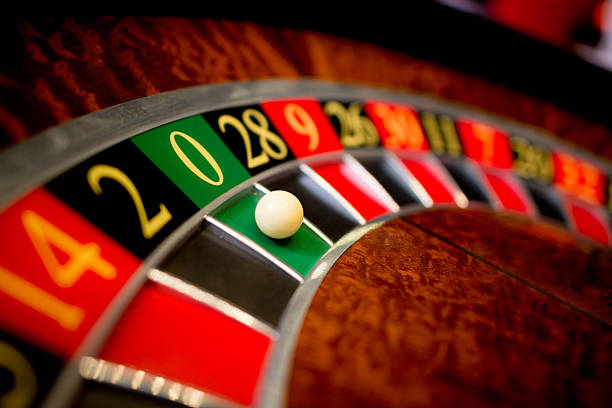
The world of casino gambling is often seen as a thrilling escape, drawing millions into its vibrant atmosphere filled with flashing lights and the sounds of spinning wheels. At its core, gambling offers a unique blend of excitement and risk, appealing not only to the thrill-seekers but also to individuals looking for social interaction or a chance to escape their everyday lives. This psychological allure can be attributed to various factors, including the excitement of chance, the hope for a win, and the sense of belonging that can come from participating in group activities. Online gambling has become more accessible through online interac casinos, allowing even more people to partake in this engaging environment.

Furthermore, the concept of “near misses” where players almost win can trigger emotional responses in gamblers. These moments can increase engagement as they create a sense of hope and anticipation, leading players to continue betting in the hope of achieving that ultimate win. This cycle of hope and excitement plays a vital role in the psychology of gambling and shapes how strategies are developed and employed.
The Role of Cognitive Biases in Gambling Strategies
Cognitive biases significantly influence how gamblers perceive their chances of winning and make decisions at the casino. One prominent bias is the “gambler’s fallacy,” which is the belief that past events can influence future outcomes in games of chance. For example, a player might think that after several losses, they are due for a win. This faulty reasoning can lead to the development of strategies that are more based on emotion rather than statistical probabilities.
Another common bias is the illusion of control, where gamblers believe they can influence the outcome of games or the success of their strategies. This belief can encourage players to stick to certain betting patterns or rituals, even in games where outcomes are purely random. Understanding these cognitive biases provides insight into how players approach casino gambling and the effectiveness of their strategies.
The Emotional Rollercoaster of Gambling
The emotional journey experienced by gamblers is another critical component in understanding their strategies. The thrill of a big win can lead to elation, reinforcing certain behaviors and betting patterns. Conversely, losses may lead to frustration and the temptation to chase losses, prompting players to adopt riskier strategies in the hope of recovering their money. This emotional aspect of gambling can heavily influence strategy formulation, often overshadowing rational decision-making.
Moreover, the mix of highs and lows creates a compelling experience, drawing players back to the casino. This phenomenon can result in players developing intricate strategies based on their past emotional experiences, further complicating their approach to gambling. Understanding the emotional context can help shed light on why certain strategies are favored over others, even when they do not align with optimal betting methods.
Social Factors and Gambling Behavior
The social environment in casinos significantly impacts gambling strategies. Interactions with other players can introduce a competitive element and shift individual behaviors. The presence of friends or fellow gamblers can lead to a mix of collaboration and competition, where players might adjust their strategies based on observations of others’ behavior. This social dynamic can enhance the gaming experience and lead to the development of community-driven strategies.
Additionally, peer influence can result in a shared sense of identity among gamblers. This camaraderie may encourage players to adopt certain risky strategies that they see others utilizing, regardless of their personal success rates. Exploring the social factors at play in gambling provides a comprehensive view of how strategies are developed and how they can be influenced by group dynamics in casino settings.

Conclusion: Understanding Gambling Through Psychology
Understanding the psychology behind casino gambling strategies opens up numerous avenues for exploring why individuals engage in this activity. By examining the allure of chance, cognitive biases, emotional responses, and social influences, one can gain a deeper appreciation for the complexity of gambling behavior. The strategies that players develop are not merely mathematical but are shaped by a myriad of psychological factors that intertwine to create unique gambling experiences.
In conclusion, the intricate relationship between psychology and gambling underscores the importance of recognizing how emotional, cognitive, and social elements contribute to gambling strategies. This understanding can empower both players and stakeholders in the casino industry to foster healthier gambling practices and navigate the exciting yet complex world of casino gaming.