The historical evolution of gambling A journey through time
Origins of Gambling: Ancient Civilizations
The history of gambling dates back thousands of years, with evidence suggesting that ancient civilizations engaged in games of chance. Archaeological findings in China reveal that as early as 2300 BC, people were using rudimentary dice made from animal bones. Similarly, artifacts from ancient Mesopotamia include gaming pieces and boards, indicating that these societies participated in various forms of gambling, including online casinos real money.
In ancient Rome, gambling was prevalent among the populace, often associated with festivals and public events. Romans developed numerous games, including the famous dice games known as ‘alea.’ These activities were not only a source of entertainment but also tied to social status, as higher stakes implied greater prestige among participants.
The Middle Ages: Gambling and Society
The Middle Ages saw a transformation in gambling practices, influenced by the rise of organized religion and state regulations. Although the Church condemned gambling, it persisted, particularly in royal courts and among nobility. Games like chess and backgammon gained popularity, with gambling often accompanying them to heighten the stakes and excitement.
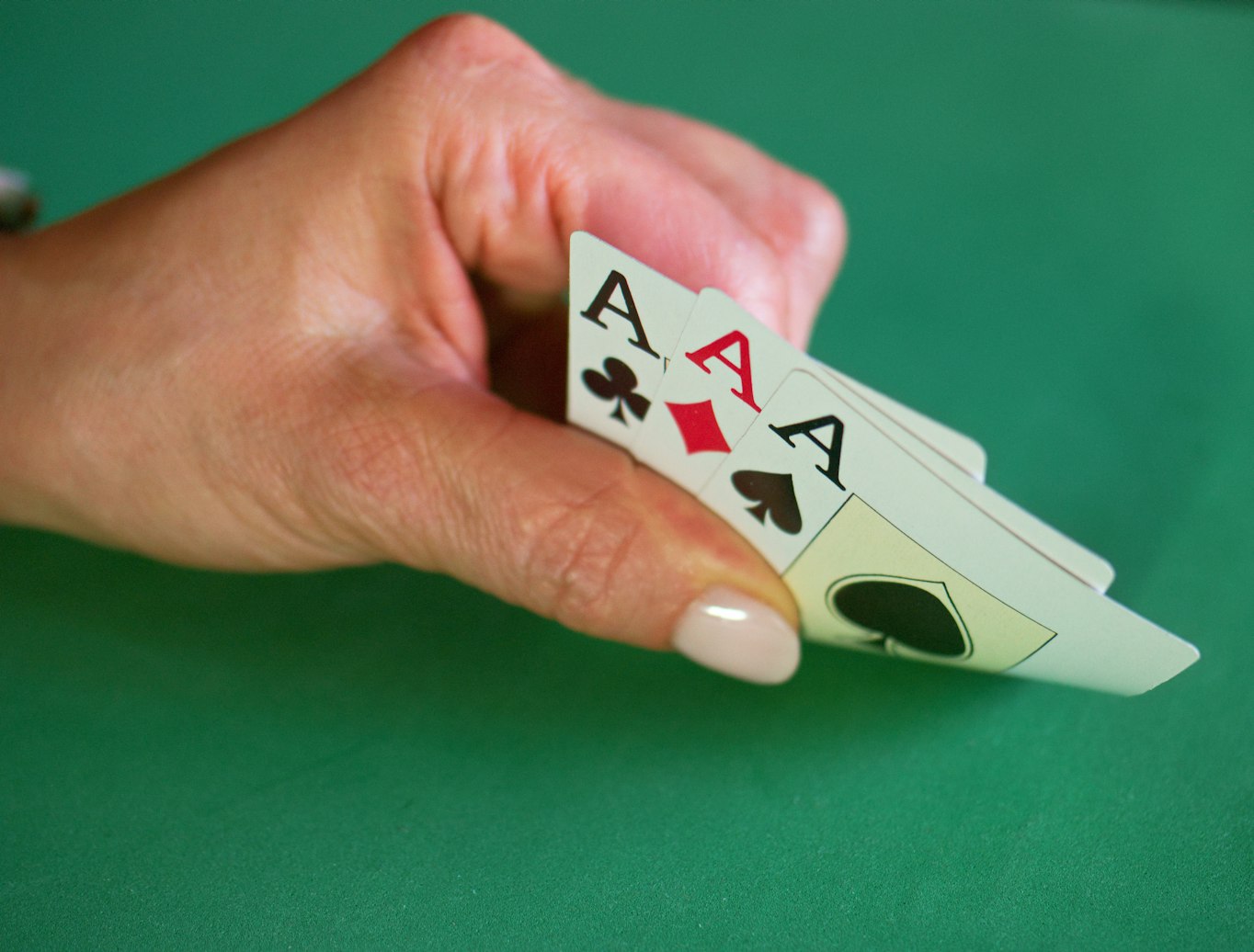
During this era, the introduction of playing cards from Asia further revolutionized gambling. The first recorded mention of playing cards in Europe appeared in the late 14th century, and they quickly became a favored medium for gambling among various social classes. This period marked a significant shift in how gambling was perceived, moving from a mere pastime to a sophisticated social activity.
The Renaissance and the Birth of Modern Gambling
The Renaissance ignited a renewed interest in gambling, leading to the establishment of formal gambling houses, known as casinos, particularly in Italy. The first casino, the Ridotto, opened in Venice in 1638, providing a regulated environment where people could indulge in games of chance with confidence. This marked a turning point, as gambling began to be associated with leisure and luxury.
Throughout the 17th and 18th centuries, gambling spread across Europe, with various games such as roulette and baccarat gaining popularity. These games laid the groundwork for modern casino gaming, introducing structured gameplay and house edges that would define the gambling experience for centuries to come.
The 20th Century: Regulation and Expansion
The 20th century was pivotal for gambling as nations began to recognize its economic potential. In the United States, Nevada legalized casino gambling in 1931, leading to the creation of Las Vegas as the gambling capital of the world. This shift not only propelled tourism but also prompted other states to explore regulatory frameworks for gambling, resulting in a mosaic of gaming laws across the country.
The development of online gambling in the late 20th century marked another revolutionary change. The internet allowed for the expansion of gambling beyond traditional settings, enabling players to access various games from the comfort of their homes. This evolution has transformed how people engage with gambling, leading to the rise of online casinos and sports betting platforms.

Understanding the Role of Online Resources
Today, as the gambling landscape continues to evolve, various online resources play a crucial role in educating and informing users. Websites dedicated to providing insights into gambling practices, legal aspects, and responsible gaming are increasingly important as players navigate this complex environment.
Such resources aim to ensure that individuals are well-informed about their choices, fostering a responsible approach to gambling. By offering guidance and facilitating access to legal resources, these platforms contribute to creating a safer and more enjoyable gambling experience for all participants.